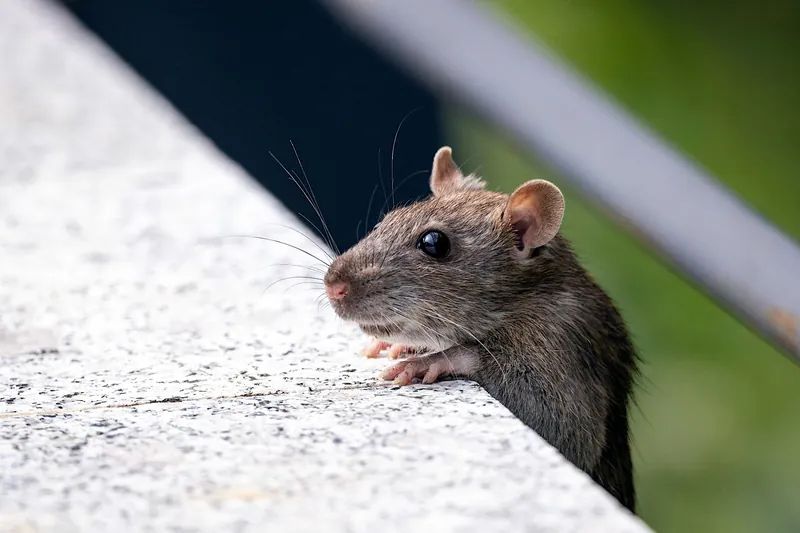
Rodent Droppings and Hantavirus Cleanup
Attics, basements and crawl spaces receive cleanup for rodent droppings and hantavirus.
See rodent droppings and hantavirus cleanupGet bird or bat droppings, soiled insulation, nesting debris and odor removed from an attic, roof space or building in Hurstbourne Acres. Cleanup begins after wildlife exclusion is complete.
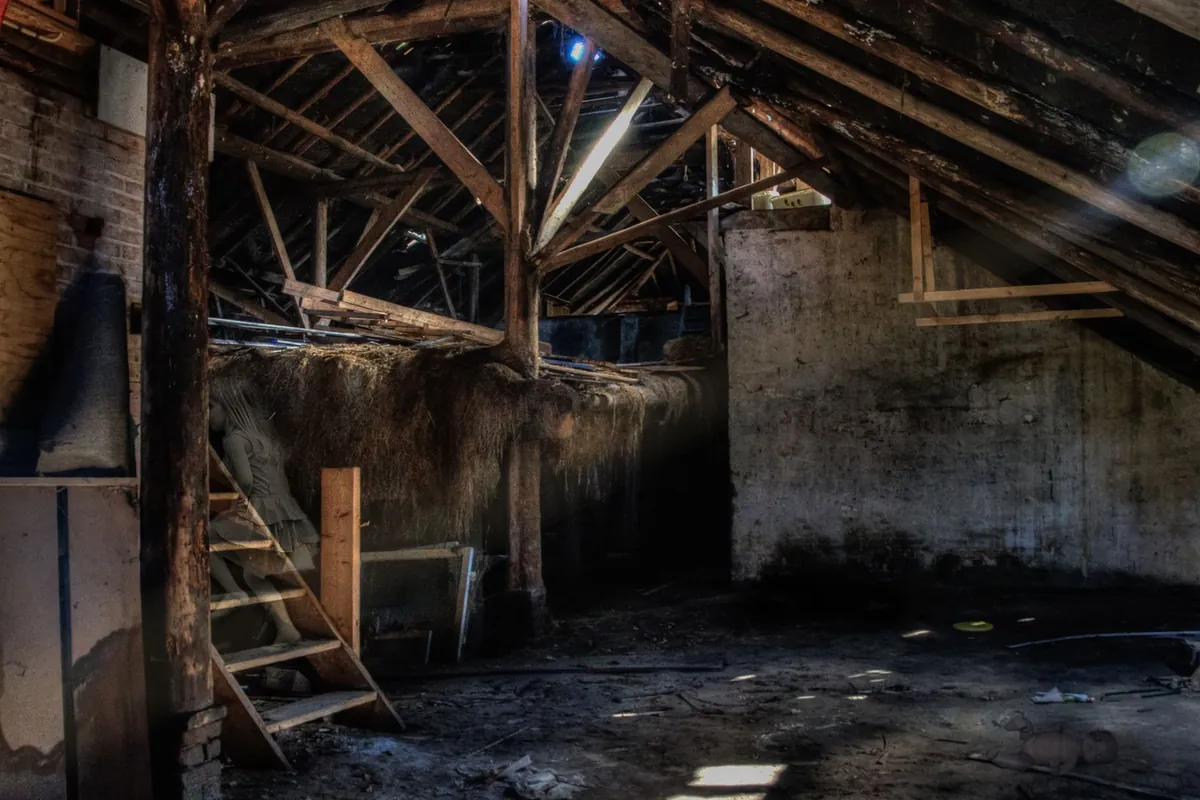
Guano cleanup is a controlled process for taking out bird and bat droppings, nests, urine residue and insulation with contamination. Cleaning comes next, with disinfection where it fits, treatment for odor and waste disposal.
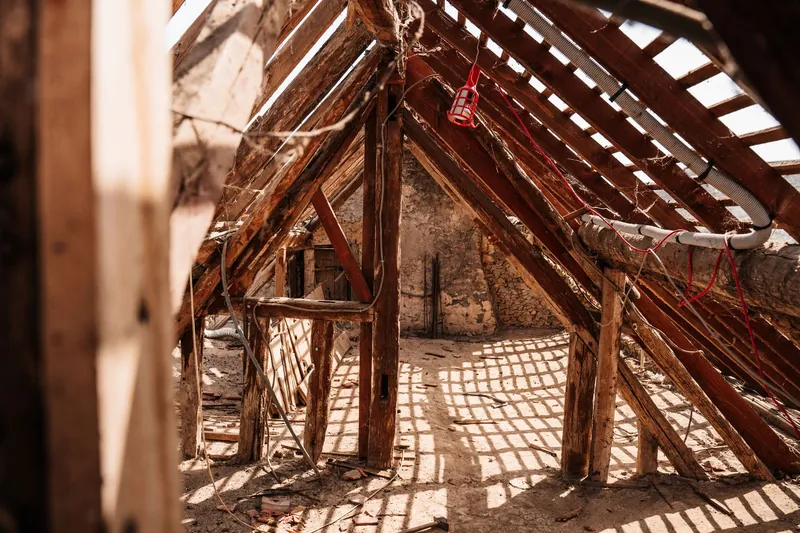
Work commonly occurs around vents and roofs, or inside wall voids, warehouses, barns, lofts and attics. Droppings may lie under a roost or contaminate both stored items and insulation. A detailed inspection maps the impact and adjacent airflow, then determines which materials can stay after cleaning and which require removal.
Household cleaning methods are not appropriate for guano biohazards. Dried material can become fine dust if you brush or shovel it, and an ordinary vacuum may spread those particles. The work uses containment and suitable personal protection, with HEPA-filtered collection methods that restrict movement of dust into other areas.
To move forward with repairs or insurance, you can use the defined scope, waste records and comparison photos. Unmarked vehicles may be requested when privacy matters.
Affected personal property should be isolated, photographed and reviewed with you before disposal.
Ask the team how dry residue will be kept from clean rooms, and how the cleanup zone and access path will be isolated.
Request details about the entire process, including which areas will be cleaned, which materials may come out and where exclusion belongs.
Professional cleaning may be appropriate when insulation contains the droppings, the affected hard surface is not small or dust could become airborne. Situations often include:
Affected insulation may require removal when broad or deep contamination cannot be reliably isolated from absorbent or loose material.
Controlled removal around fans, intakes or open ducts helps prevent loose dust from reaching rooms people use.
Droppings collect beneath roosting points, settle into loose insulation and leave odor in the attic and rooms below.
Once a wildlife specialist confirms the bats are out and entry gaps are addressed, residue left behind can be removed safely.
Do not disturb the deposits, and keep the area protected. The following early actions help make an assessment clear while limiting residue carried into other spaces:
Call (888) 440-9227Published guides list minor guano spot cleaning at $500 to $1,200 and standard remediation at $1,500 to $4,000. Full attic restoration is listed at $4,500 to $9,000. Another published range for larger bat-dropping infestations is $600 to $8,500. Your cost depends on the amount of waste, attic size, access and whether insulation must be removed.
These national ranges are taken from published cost guides, rather than a property visit. An on-site assessment determines your property's price, which is explained to you before the cleanup starts.
Ask about cost: (888) 440-9227Your policy, what caused the condition and how long it took to develop determine whether insurance may cover it. Exclusions can apply when damage is treated as animal activity, maintenance or infestation, so contact the insurer before work when circumstances allow.
For a leased business space, the building owner and tenant should check the lease for pest control, roof access, maintenance and cleanup duties.
Save the inspection images, work description, bills and records of affected materials. Before discarding materials or starting repairs, ask the insurance company which records it requires.
Property owners usually arrange work that affects the building, attic or shared systems. Local regulations together with lease terms may determine responsibility for cleanup costs in a rental.
Find out if your insurance applies to cleanup services, animal-caused damage, soiled insulation and necessary restoration. Policy coverage can vary between a sudden event and gradual waste buildup.
Each remediation step follows a planned, controlled order. The sequence depends on available access, the state of affected materials, dust-control needs and completed wildlife exclusion.
Cleanup technicians inspect visible deposits, insulation, beams, vents and stored items, then mark the affected areas and safe access route.
No work starts until active wildlife is gone. Checking entry openings and exclusion helps stop wildlife from leaving more waste once cleaning is finished.
The work zone is separated from occupied rooms. Floor coverings, sealed access routes and proper protective equipment keep residue within the affected area.
Droppings are collected with methods chosen to limit dust. Fine debris that ordinary vacuums may recirculate is captured with HEPA-filtered equipment.
Rather than cleaning only the exterior, crews bag porous materials when contamination has penetrated deeply. Anything clean and beyond the contamination boundary does not need removal.
Cleaning comes first on accessible hard surfaces, followed by an appropriate EPA-registered disinfectant kept wet for the entire labeled contact time.
Inspections look for leftover residue around beams, joints and concealed cavities. Air quality may improve through HEPA filtration and source-focused odor removal rather than perfume that masks smells.
After a final visual check and photographs, the property owner learns whether insulation or restoration services are needed following cleanup.
Phone any hour. You speak with a bird and bat guano cleanup specialist who outlines the process and schedules a start time with you.
Disturbing a large accumulation can put contaminants into the air. Dryness, poor airflow and an enclosed setting can increase the inhalation and contamination concerns.
Deposits near vents, fans, wall gaps or attic hatches can move into surrounding areas when air flows or people walk through the space.
Sweeping or removing dried waste can break it into airborne dust. When fungi develop in material or soil enriched with droppings, moving the affected matter can release fungal spores into surrounding air.
Tight spaces, protruding nails, weak decking and dense dust create both bodily hazards and breathing concerns. Protective gear and cleaning process controls matter just as much as selecting a suitable product.
Can you clean it yourself? A single recent dropping on an intact, non-porous surface may be picked up with disposable gloves and damp towels, without sweeping, then cleaned with a product suitable for that surface. Professional cleanup is appropriate when access is limited, waste buildup is heavy, insulation is affected, odor is strong or residue is near air systems.
Many hard, cleanable surfaces can be kept. Porous items usually have to come out when waste or urine is embedded, because odor and contamination can otherwise remain.
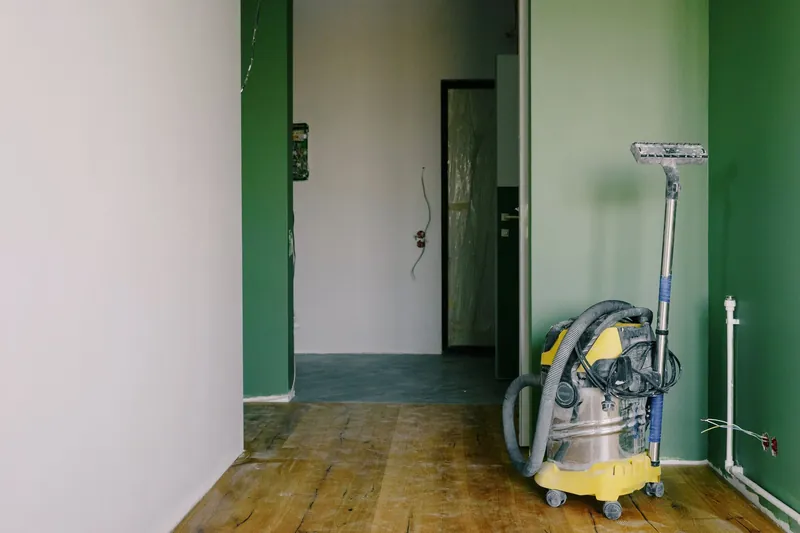
Cleanup timing can be determined only after an inspection. A small surface deposit requires different work than an affected attic or a property still needing wildlife exclusion. The schedule also depends on access, containment of dust, removal of insulation, odor work and restoration.
| Scene | Typical time on site |
|---|---|
| Limited affected surface that is easy to reach | May fit into one planned work visit after inspection |
| Attic with deposits across insulation | Needs time for containment, removal, cleaning and a final check |
| Dense guano buildup involving wildlife exclusion or property restoration | Often completed in stages coordinated with wildlife and repair work |
Source removal comes before lasting odor treatment. First take out droppings, nests and insulation that is deeply soiled, then treat the remaining surfaces. Covering the smell with fragrance leaves residue untouched in cracks, porous items and concealed attic areas.
After removal, beams and other cleanable surfaces are treated, and HEPA air filtration can reduce dust released during the work. The cleaning service should also inspect vents, attic hatches and wall openings that could carry odor or particles into occupied spaces. Moisture or an active roof leak should be corrected so the cleaned area stays dry.
The full bird and bat guano cleanup guide covers what is cleaned or removed, odor and air quality work, and the rules that apply in Kentucky and Jefferson County.
Read the full bird and bat guano cleanup guidePlanning for access, containment and cleanup can depend on local population, housing and entry conditions.
Since 84.8% of local homes are rentals, a cleanup plan may need to protect tenant privacy while keeping the property contact informed.
Because the median home dates to 1988, cleanup plans should distinguish washable surfaces from absorbent carpet, padding, and wallboard.
The local count of seniors living alone is 129, so a cleanup plan may need input from someone managing the home remotely.
At 24.1% single-family housing, containment should account for adjoining units and shared air movement before cleanup work starts.
During your call, ask whether cleanup is available in surrounding communities and ZIP codes.
Attics, basements and crawl spaces receive cleanup for rodent droppings and hantavirus.
See rodent droppings and hantavirus cleanup
Dead animal removal and odor cleanup from walls, vents and crawl spaces.
See dead animal removal and cleanup
Animal hoarding cleanup of waste, urine soaked materials and ammonia odor.
See animal hoarding cleanup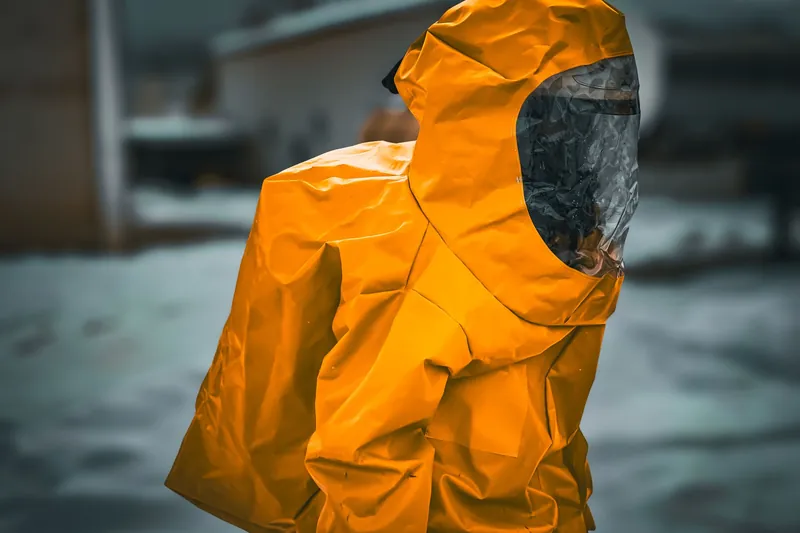
Removal and disinfection of blood, body fluids and other infectious material from any property.
See biohazard cleanup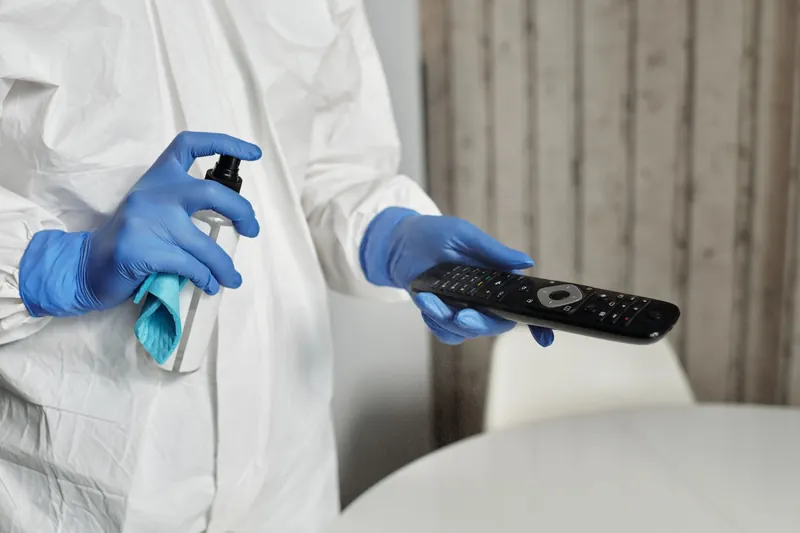
Biological remediation that removes contamination and returns a space to safe use.
See biohazard remediation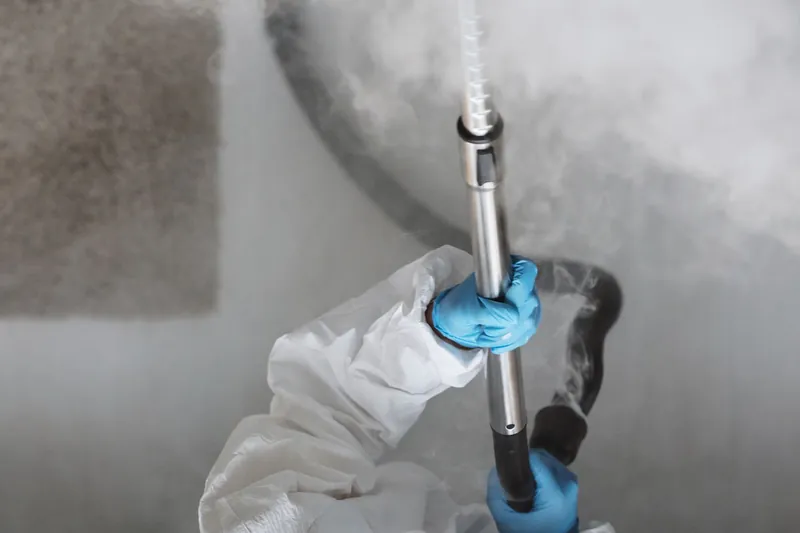
All surfaces receive full coverage with EPA-registered products for infectious disease disinfection.
See infectious disease disinfection
Protective equipment suited to hazardous materials is used during hazmat cleanup.
See hazmat cleanup
Commercial and industrial biohazard cleanup planned around site access and operating needs.
See commercial and industrial biohazard cleanupSmell should lessen after urine-contaminated insulation, guano and nesting debris are taken out at their source. The next step treats materials that can be cleaned and examines hidden cavities or joints for residue left behind. A roof leak, moisture problem or continuing animal entry must also be corrected or the odor can return.
Animal exclusion differs from guano cleaning, but the two services can be scheduled together. Find out which specialist will examine access gaps and verify that no wildlife remains. Start cleanup only after lawful exclusion is finished, and make repairs that prevent new deposits without trapping wildlife inside.
A wildlife specialist needs to check that no bats remain and address their entry gaps prior to cleanup. The presence of juvenile bats, along with applicable wildlife rules, can shape exclusion timing and techniques. Never close a known entry gap until you verify that doing so will not trap animals indoors.
Sometimes not. The location and depth of contamination, along with whether clean insulation can be isolated, determine what needs removal. Materials affected deeply or across a broad area may need removal. If protection is possible during cleaning, insulation beyond the affected areas does not require removal.
A substantial buildup of dried waste may send dust and fungus spores airborne when disturbed. Not every deposit results in illness, and the health risk changes with the amount and site conditions. Skip broom cleaning and household vacuuming. If you have health concerns after a possible exposure, ask a medical professional for guidance.
A single recent dropping on a hard surface is different from buildup across insulation or rafters. Professional cleanup is safer for waste that covers a broad area, creates dust, affects insulation, sits by vents or cannot be reached easily. Keep people and pets out, and do not dry sweep the area while deciding what to do.
You can request respectful, discreet bird and bat guano cleanup 24 hours a day, and crews use unmarked vehicles.